Source Pediatric Gesture Correction Chair for Therapy Centers
Compare 30 pediatric gesture correction chair options from verified Chinese manufacturers. Buyers can evaluate features like steel or plastic construction, weight, and applications for medical care and physical therapy to find the right rehabilitation equipment; compare the available evidence and request quotations based on your requirements.
Key considerations
Products List
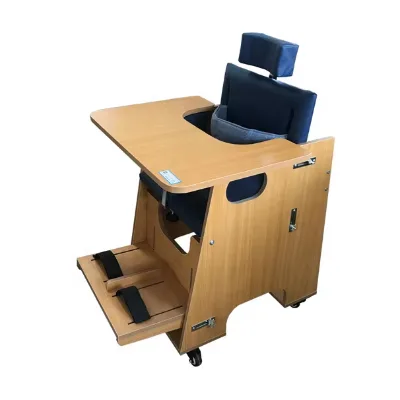
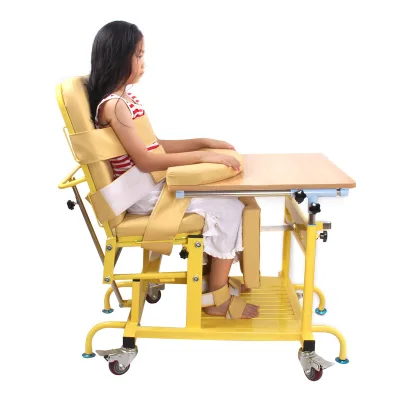
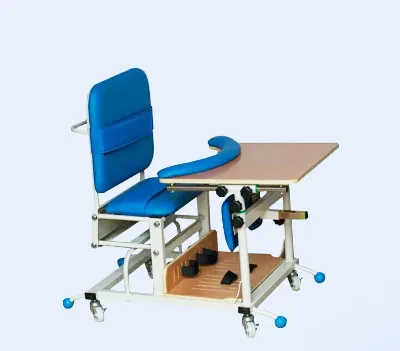
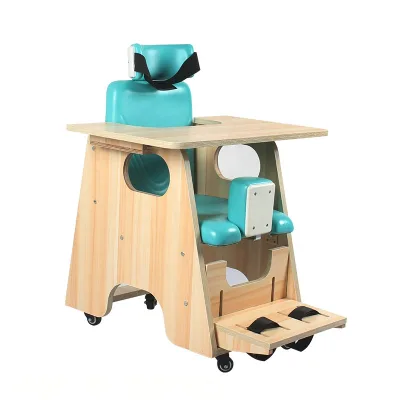
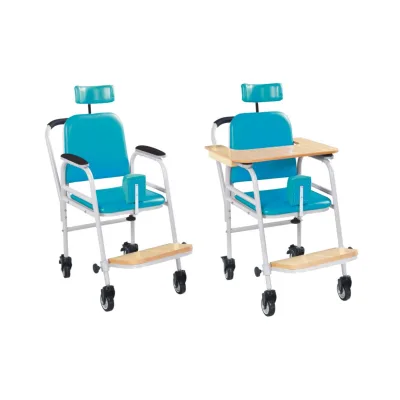
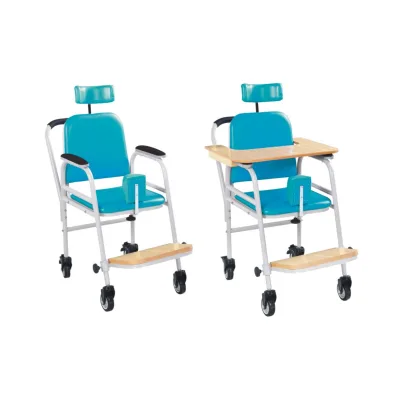
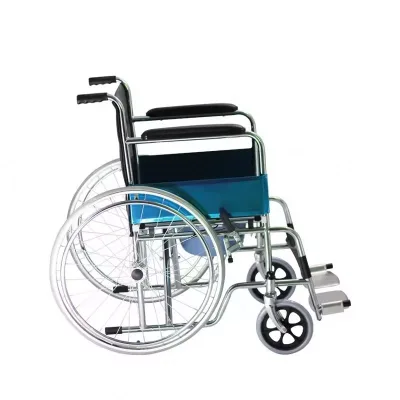


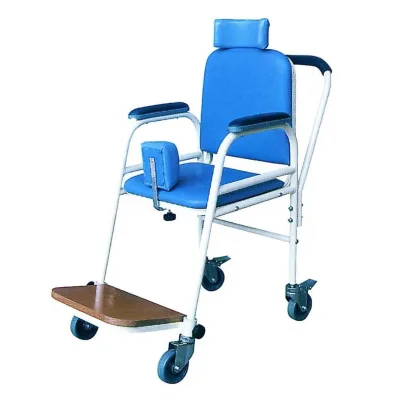


Comprehensive Sourcing Guide
Pediatric Gesture Correction Chair Sourcing Guide
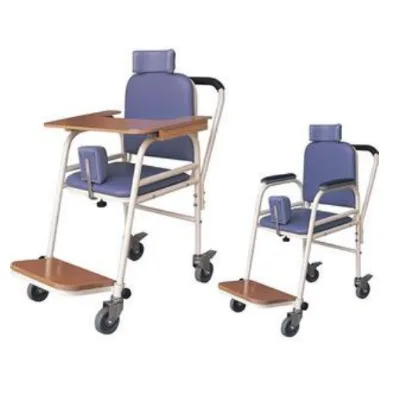
The pediatric gesture correction chair market currently features specialized rehabilitation equipment designed to assist children in developing proper sitting and standing postures. Based on observed listings, these units are primarily categorized as rehabilitation training equipment intended for medical care and physical therapy applications within clinical or home settings. Buyers should note that while some listings explicitly target children, the functional scope often extends to general body health care and posture correction for various age groups requiring physical support.
Procurement strategies must account for the diverse functional attributes observed in current inventory, ranging from simple steel-framed structures to more complex powered units. The core utility of these devices lies in their ability to improve sitting gestures and provide physical therapy support, with some models offering multifunctional capabilities. Sourcing teams should prioritize suppliers who can clearly distinguish between basic static frames and active rehabilitation tools, ensuring the selected equipment aligns with specific therapeutic goals rather than general wellness needs.
Product Scope and Observed Listing Signals
Current market listings reveal a distinct split between manual correction chairs and powered mobility solutions, requiring careful differentiation during the selection process. Some observed products are explicitly labeled as gesture correction chairs with steel or plastic construction, featuring dimensions around 45x45x100cm, while others are listed under broader categories like power wheelchairs or standing frames. This variation suggests that buyers must verify the specific mechanical design to ensure the product matches the intended therapeutic intervention, as a standard wheelchair may not provide the necessary posture correction features.
The observed product attributes indicate a strong emphasis on portability and specific usage scenarios, with some units designed for single-item sale and others packaged for larger logistics. Color options like yellow and blue are common, and features such as lightweight construction or full-body massage capabilities appear in specific listings, though these are not universal across all gesture correction chairs. Buyers should scrutinize the product name and application field to confirm whether the item is a dedicated posture correction device or a multi-purpose rehabilitation tool that includes gesture correction as a secondary function.
Technical Specifications to Verify
Dimensional accuracy and structural integrity are critical parameters when evaluating pediatric gesture correction chairs, as the equipment must safely support a child's weight during therapy sessions. Observed specifications include sizes such as 45x45x100cm and larger packages measuring up to 100x100x80cm, with weights ranging from 35kg to 50kg depending on the material composition. Procurement teams must verify that the listed dimensions and gross weights correspond to the actual usable space and stability requirements of the intended facility, ensuring the equipment fits within the designated therapy area without compromising safety.
Material composition and power requirements vary significantly across the product range, necessitating a detailed review of the technical data sheet for each candidate unit. While some chairs are constructed from durable steel or plastics, others may incorporate electrical components with rated powers of 120W and voltage ranges of 110-240V. Buyers should confirm whether the device requires specific electrical infrastructure or if it operates as a purely mechanical system, as this distinction impacts installation costs and long-term maintenance protocols for the rehabilitation center.
Compliance and Safety Documentation
Regulatory compliance is a non-negotiable aspect of sourcing medical rehabilitation equipment, particularly when the target demographic includes children. Observed listings mention certifications such as CE and ISO, which are essential indicators of adherence to international safety and quality standards. However, buyers must verify that these certifications are current and specifically applicable to the model number being purchased, as the presence of a certificate on a general listing does not guarantee that every unit in the supply chain meets the same rigorous safety thresholds.
Instrument classification and warranty terms provide additional layers of assurance regarding product reliability and legal liability. Some observed products are classified as Class I instruments, which typically implies a lower risk profile but still requires strict adherence to manufacturing standards. A one-year warranty is frequently observed, yet procurement teams should negotiate terms that cover specific failure modes related to posture correction mechanisms, ensuring that the supplier provides adequate support for the specialized nature of the equipment rather than generic after-sales service.
Cost Drivers and Commercial Terms
Pricing for pediatric gesture correction chairs fluctuates based on material complexity, functional features, and the inclusion of electrical components. The observed price range spans from 41 to 2000 USD, reflecting the disparity between basic manual frames and advanced powered rehabilitation units. Buyers should analyze the cost structure to understand what drives the price differential, such as the use of steel versus plastic, the presence of timing control features, or the inclusion of a massage function, ensuring that the budget aligns with the necessary therapeutic capabilities.
Minimum Order Quantities (MOQ) and packaging requirements significantly influence the total cost of ownership and logistics planning for procurement teams. Most observed listings indicate an MOQ of 1 piece, offering flexibility for small clinics or pilot programs, while others may have higher thresholds. The packaging dimensions and gross weight, which can reach 50kg per unit, directly impact shipping costs and handling requirements, so buyers must calculate the total landed cost including freight to avoid unexpected budget overruns during the procurement process.
Supplier Qualification and Quality Control
Supplier location and brand reputation play a pivotal role in determining the reliability of the supply chain for specialized medical equipment. The majority of observed products originate from manufacturing hubs in Guangdong and Shanghai, China, with brands ranging from established names like INNOCOM to OEM providers. Buyers should assess the supplier's capacity to maintain consistent quality across batches, particularly given the critical nature of pediatric equipment, and verify their track record in delivering products that meet the specified model numbers and functional requirements.
Quality control processes must extend beyond the initial product inspection to include verification of after-sales support and technical assistance capabilities. Observed listings highlight features like online technical support, which is vital for troubleshooting issues that may arise during the rehabilitation therapy process. Procurement teams should evaluate the supplier's response time and expertise in resolving technical problems, ensuring that the rehabilitation center can maintain continuous operations without prolonged downtime due to equipment malfunctions or usage errors.
Long-Term Procurement Checks
Sustained procurement success relies on establishing clear performance benchmarks and monitoring the longevity of the gesture correction chairs in clinical settings. Buyers should implement a system to track the durability of materials like steel and plastics under regular use, as well as the reliability of any electrical components such as timing controls or motors. Regular audits of the equipment's condition against the original specifications will help identify wear patterns early, allowing for proactive maintenance and replacement planning to ensure patient safety.
Future procurement strategies should account for the evolving needs of pediatric rehabilitation and the potential for technology upgrades in gesture correction devices. As the market continues to offer multifunctional units with features like full-body massage or portable designs, buyers must remain agile in their sourcing approach to incorporate new innovations that enhance therapeutic outcomes. Maintaining strong relationships with suppliers who demonstrate a commitment to continuous improvement and compliance will ensure access to the latest advancements in pediatric physical therapy equipment.
FAQs
What materials are used for pediatric gesture correction chairs?
Manufacturers typically use steel frames for structural durability and plastic components for the seating surfaces. These materials ensure the chair can support a child's weight while maintaining a lightweight design for easy relocation within therapy centers or homes. The combination provides a stable base for posture correction exercises.
Can these chairs be used for physical therapy applications?
Yes, these chairs are explicitly designed for medical care and physical therapy applications. They help improve sitting gestures and support rehabilitation training for children. The multifunctional design allows therapists to use them for various posture correction exercises, making them suitable for clinical settings and home-based recovery programs.
What is the typical MOQ for ordering these chairs?
The minimum order quantity is generally one unit, allowing buyers to purchase single items for testing or immediate use. This low MOQ facilitates easy procurement for clinics or individual families. Buyers can order multiple units if needed, but there is no strict bulk requirement for initial purchases.
Which certifications are available for these rehabilitation chairs?
Products often carry CE and ISO certifications, indicating compliance with relevant safety and quality standards. These certifications are crucial for medical care equipment used in rehabilitation centers. Buyers should verify specific documentation with suppliers to ensure the items meet local regulatory requirements for medical devices in their target market.
How does the chair size support child users?
Standard models measure approximately 45 by 45 by 100 centimeters, providing adequate space for children. Some larger variants may have different package dimensions to accommodate specific user needs. The size is optimized to support proper sitting posture while ensuring the chair remains stable and safe for pediatric users during therapy sessions.
What after-sale services are provided for these chairs?
Suppliers typically offer online technical support to assist with setup and usage questions. This service helps ensure proper installation and operation of the posture correction equipment. Buyers can contact support teams for troubleshooting guidance, ensuring the chair functions correctly throughout its warranty period and maintaining optimal performance for therapy applications.